Finding fitted pants for us big men seems to be so difficult. Tight thighs can restrict your movement, waist gaps might leave you constantly tugging, and poor proportions can throw off your entire outfit. However, big and tall pants are saving us here! This article will explore how to measure our bodies and find what pants work for us big men.
How to Measure Your Waist— Tools
You should obtain the necessary tools before starting your measuring process. Select a flexible measuring tape as well as a string or ruler according to your comfort preferences. Metal tape measurements should be avoided because their inflexibility creates measurement inaccuracies.
It is important to measure yourself while standing in front of a mirror to make sure the tape remains level when wrapping around your waist. The most precise results will come from waist measurements made either with lightweight clothes removed or through bare skin.
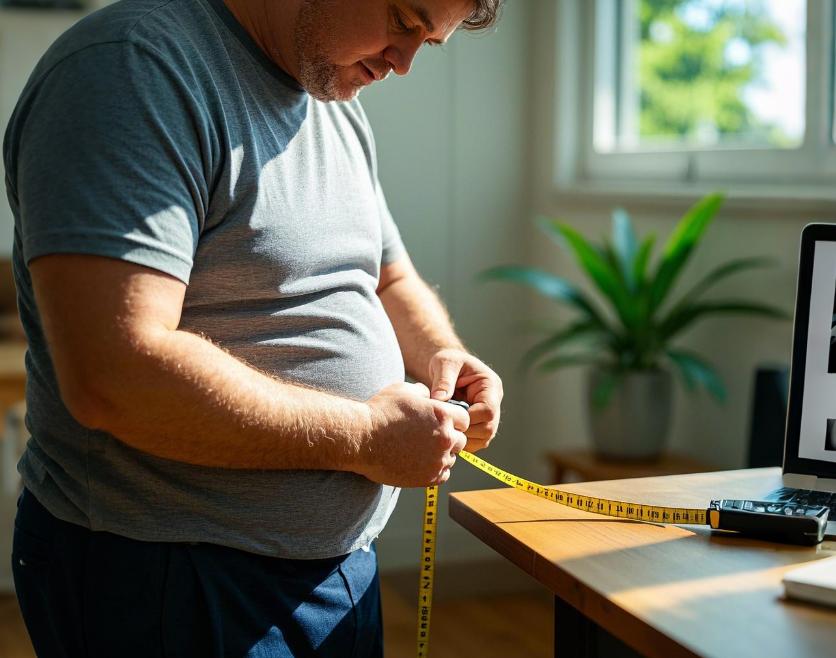
4 Steps to Measure Your Waist
Step 1: Stand with an upright posture and lean to the side to determine your natural waistline. That little crease that forms? Your waistline exists directly above the belly button.
Step 2: After obtaining the correct tape length, apply it to your waist. You should start measuring from the front side of your body before taking the tape over your back through to the front again. Secure the tape measure with gentle pressure to fit it comfortably.
Step 3: A correct waist measurement needs the tape to be leveled around the mirror during use. Failure to do this will cause incorrect results.
Step 4: Complete the measurement by reading the taped number when it intersects with itself. Perform this measurement process one to two times to verify accuracy. The tape measurement process has determined your waist measurement.
Common Mistakes to Avoid When Measuring
- Your natural waistline differs from both hips and the position where you wear your low-rise pants.The correct position of the tape around the waist should not be too high or too low.
- The tape needs to be stretched at a normal and comfortable tension. This improper measurement technique will yield an incorrect waist measurement.
- Don't be lazy. Double measurements will lead to accurate results.
Understanding Big and Tall Pants Size Labels
It is now time to interpret the dimensions of big and tall pants after you have finished your waist measurement.
What "Big" and "Tall" Sizes Represent
Are you familiar with the term "big and tall pants"? What makes a size considered large, and what defines a size as elevated?
People who measure at least 5'8" (173 cm) can find appropriate fits in "Tall" sizes. Big sizes from manufacturers accommodate bodies with wider waists and larger builds. For big and tall size, it means that you are taller than 5’8’’ while having a wider waist and large build.
Tall and big men need sizes that focus on creating proper proportions for their individual body types instead of just adding overall length. Check out this simple explanation between the available size dimensions:
|
Size Type |
Targeted Body Types |
Key Features |
|
Big |
Larger individuals |
Roomier waist, hips, and thighs |
|
Tall |
Men 6'2" and taller |
Longer inseams, torso, and arm lengths |
|
Big and Tall |
Taller and larger individuals |
Combines extra room with additional length |
People of big or tall stature will find the best fit with big and tall size clothing. Every brand uses unique size charts so you should evaluate fit before finalizing your order.
How to Read Waist and Inseam Measurements
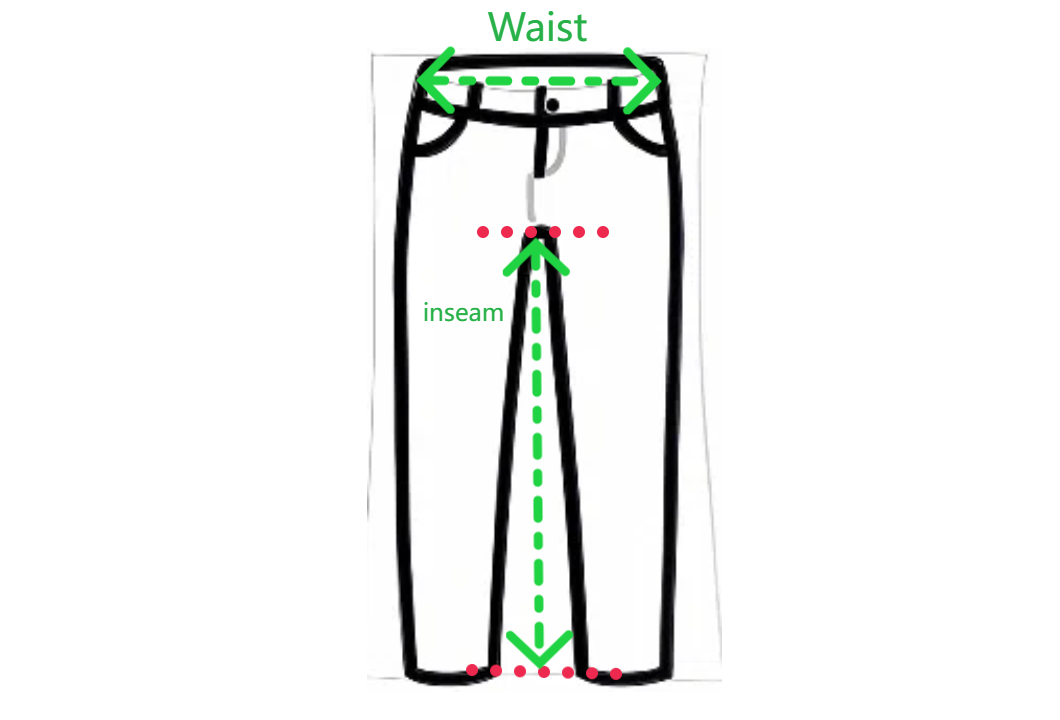
Sometimes size labels are like a secret code, but they’re easier to crack than you think. Check the two key numbers: the waist size and the inseam length.
|
The waist size |
your natural waist, measured in inches. |
|
The inseam |
the length of the inner leg, running from the crotch to the bottom of the pant leg. |
For example, a label reading "40x34" means the pants have a 40-inch waist and a 34-inch inseam.
So when you're shopping for big and tall pants, always double-check these numbers against your measurements. Mostly, a little big waist is suggested if it's too hard to find the perfect one. You can use a belt for the looseness, but it's hard to adjust for too tight.
How to choose pants for different body types?
We all differ from others. How to choose the right pants for different body types? Here are 4 common types.
- Larger Waists
For large waists, you need pants specifically designed with extra room in the waistband and seat. Practical designs like adjustable waistbands or elastic inserts are suitable for your larger waist. You won't worry about your pants even if your waist size fluctuates. Plus, High-rise pants can also be a great option, as they sit closer to your natural waistline and provide better coverage.
- Muscular Thighs or Hips
If you have muscular thighs or hips, you’ve probably experienced tightness in the thigh area or discomfort in the crotch. Therefore, Look for pants made with stretchy materials like elastane or spandex. They are elastic to move with your body.
Some sweatpants at BigTallKings, Nike, and Carhartt offer relaxed fits and athletic cuts. You won’t have to worry about sagging or stretching out.
- Long Legs
For those with long legs, finding pants with the right inseam length is crucial. Generally speaking, it is ideal for the pants to be 0.5 to 1 inch longer than the leg length. You can also cuff or roll the pants for a casual look.
- Shorter Torsos
If you have a shorter torso, opt for mid-rise pants instead of high-rise ones. These sit lower on your waist and create a more balanced silhouette.
Tips for Trying on Big and Tall Pants
Now you've measured your waist and got a pair of big and tall pants. How to ensure it's comfortable and right in fit? Let's look at some tips.
- Checking for Comfort and Mobility
When you’re trying on pants, comfort is everything. If they don’t feel good, they’re not the right pair. Start by walking around the fitting room. Do the pants feel restrictive, or do they move with you? Bend your knees, squat, or even sit on a bench. These simple movements can reveal whether the fabric stretches enough to keep up with your daily activities.
- Ensuring the Waistband Fits Without Gapping
Then check out the waistband. It should sit snugly against your waist without digging into your skin or leaving a gap at the back. You can slide two fingers between the waistband and your body. If you can’t slide your finger in, the pants are too tight. If there’s too much space, you might need a smaller size or a style with an adjustable waistband.
- Testing the Fit for Sitting, Walking, and Moving
The comfort of standing still is not real comfort. How do they feel when you’re sitting or moving? Does it bunch up or pull uncomfortably at the thighs when you sit down? Do the pants stay in place, or do you find yourself adjusting them when you stand out? Don't forget to check how the pants look from behind. Usually a mid-rise or high-rise cut often provides better comfort when sitting, especially for big and tall men.
Which fabric is better for Comfort, Stretch, and Durability?
Although size matters comfort, sometimes fabrics are the game-killer. Here are some common fabrics that can ensure your comfort, flexibility, and Durability. Each of them offers unique benefits, so choose them based on your lifestyle and climate.
|
Fabric Type |
Benefits |
Ideal Use |
|
Linen |
Lightweight, breathable, wrinkle-resistant when blended with wool |
Warm weather suits |
|
Wool |
Durable, breathable, natural stretch, drapes well |
Year-round suits |
|
Tweed |
Textured, adds structure, visually interesting patterns |
Cold weather suits |
How to Care for Big and Tall Pants to Retain Fit
You care can make your pants stay in a long-lasting comfort! How to do it? Here are some tips:
Wash differently according to fabrics. Commonly, wool or tweed may require dry cleaning, while others, like linen blends, can be machine-washed on a gentle cycle.
Always wash your pants in cold water to prevent shrinking. Use a mild detergent to protect the fabric. For drying, air-drying is your best bet. If you must use a dryer, choose a low-heat setting to avoid damaging the material.
When you store your pants, use hangers that can maintain the shape. Folding them may cause creases that are hard to remove. Although ironing can help keep your pants looking fresh. But the heat will damage some fabric like wool and tweed.
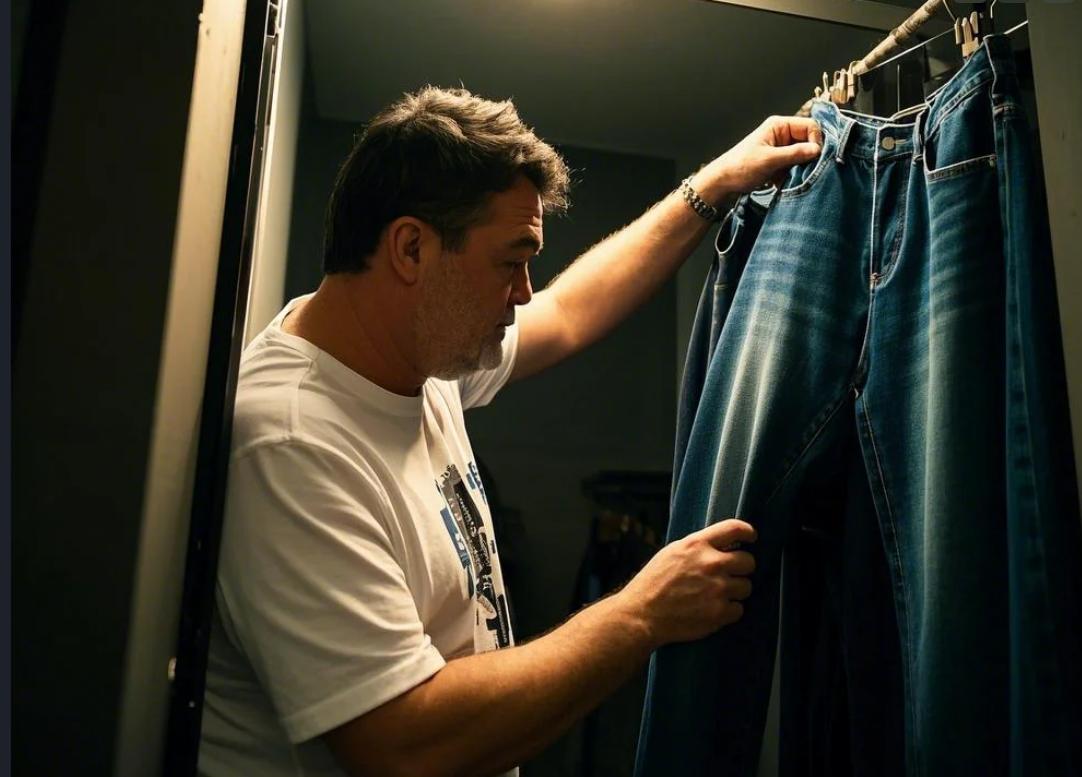
Signs It’s Time to Replace Your Pants
Even the best big and tall pants won’t last forever. If these signs exist, it's time to replace your pants.
- Visible Wear and Tear: Holes, frayed hems, or thinning fabric are clear indicators.
- Loss of Fit: If the waistband feels loose or the fabric sags, it’s time for a new pair.
- Stubborn Stains or Odors: Some stains or smells just won’t come out, no matter how hard you try.
If you notice these issues, don’t hesitate to invest in a new pair. Fresh, well-fitting pants can boost your confidence and keep your style on point.
Conclusion
Finding the perfect pair of pants isn't a nightmare. You can find the perfect big and tall pants by measuring your waist, decoding size labels, and addressing common fit challenges. What's most important? Your comfort! Whether it's for work, casual outings, or special occasions, your big and tall menswear can elevate your style! So, take the time to find what works for you—you’re worth it!
FAQs
How do I find the right size for big and tall pants?
Measure your waist and inseam with a tape measure, then check the brand’s size chart. If you're between sizes, go bigger—adjustable waistbands or a belt can help.
How should big and tall pants fit?
The waistband should be snug but not tight. Walk, sit, and bend to check mobility. Avoid pants that pinch at the thighs or bunch at the ankles—comfort is key!
Are elastic waistbands a good choice?
Yes! Elastic or stretch panels add flexibility and comfort, especially if your waist size changes. They give a neat look while moving with you all day.
Can I tailor my big and tall pants?
Definitely! A tailor can hem the inseam or adjust the waistband for a better fit. Many styles have extra fabric to allow for easy alterations.
What fabric works best for me?
Commonly, cotton with stretch is great for comfort. Wool or tweed adds style for formal wear, while linen blends keep you cool in warm weather. Choose based on your needs!
Shop Related Big & Tall Categories
Use these related BigTallKings categories to move from style research into products with extended sizing, better fit details, and outfit options for big and tall men.